13 July 2007

Parties in the expat community

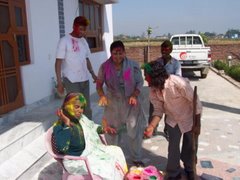
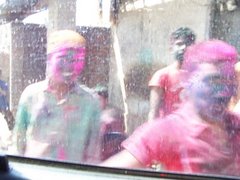
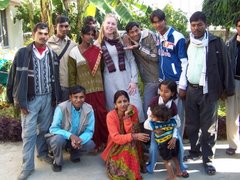
Living a life as an expatriate, moving around between missions, is sometimes hard and we are lucky to have each other! Since I arrived, the number of foreigners in Nepagunj have increased from about 15 to around 80. Thus there is always something going on, such as bbq's, football or volleyball, and parties. Unfortunately, many of the parties are farewell parties (the UN staff is moved around a lot), however we do have fun! Sometimes it feels like this is the main part here, the social part of life rather than the work we do.


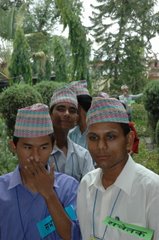
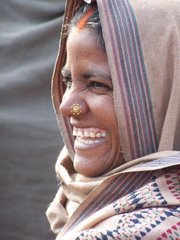
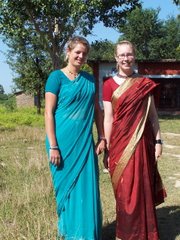
One of the last parties we had we were asked to wear something from our home countries. I did not have anything, so I made a skirt looking like our flag. Looks quite nice actually... And for a while I was wearing the traditional (male) Nepali hat, and for a while the Jordan scarf (becoming the photo model of the night...)
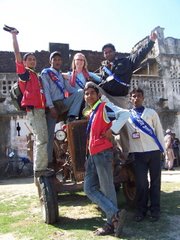
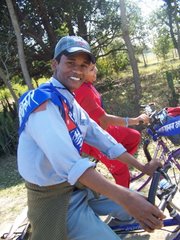
And, as I said, we have a lot of farewells. To the left below we are saying goodbye to Yael (France), here being lifted up jointly by Denmark, Norway and Sweden, and to the right, to our Brazilian friend Paulo. Even though both of the parties happened to be at my home, we are not at the same place since I have moved in to a new house. Now I am living together with three fantastic friends, one of them Tasha, you see to in the picture to the right. Me and Tasha are the happy new comers to the house joining Steve and Costanza who'se been in the house a while, pictures will come soon on all of them.


12 July 2007

Performing a session of the parliament

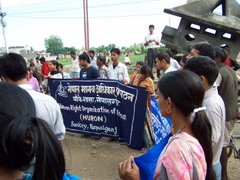
One of MS's partner organisations in Nepalgunj is HimRights, Himalaya Human Rights Monitors. HimRights have a 24 hour HR hot line, was very busy during the conflict, and lots of programmes involving children and youth. I had the opportunity of taking part in their latest programme here in Nepalgunj, a Youth Mock Legislative Parliament.

Around 70 young boys and girls of different castes, religions, ethnicity, minorities, sex etc (inclusion is still the name of the game and of course we have to set a good example) were chosen to play the parliament/government for a few days. After two days training, facilitated by the presence of two real secretaries of parliament, the session of the parliament begun. 14 of the participants were chosen as ministers, speaker and whips, and the rest were all members of parliament. The position holders were trained in how to behave, how to hand over documents, how to raise issues and much more.


The participants divided into boys and girls in order to make the gender balance in the government equal. The girls had no problem finding consensus on who among them should be position holders.


However, after announcement of the government, there were some obligatory discussions regarding how many participants from which group...


It was all solved in a very Nepali way, with some dancing of the facilitators...

After three days of session the parliament closed with a real press conference presenting the declaration that will be sent to the real parliament. All the participants were very active and the declaration was long and full of good ideas for the future Nepal. Improving the infrastructure and the electricity, re-opening radio stations, investigating violations during the conflict and the people's movement, fighting caste discrimination were but parts of the demands. The main one though was to establish a youth ministry, and to start listening to and involving the youth in the creation of tomorrow's Nepal!

22 June 2007

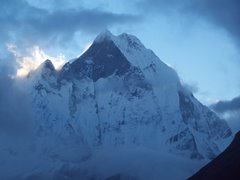
Waking up to snow, and walking through the gradually lighter morning is amazing, one amost forgets the altitude related headache.

Det var absolut underbart att vakna upp till sno, ett magiskt ljus over de vita bergstopparna och ett underbart knarrande ljud under skorna. Jag gick bredvid stigen hela vagen, for att kunna hora det typiska ljudet av vinter, och njot av den rena doften av kyla!

20 June 2007

Annapurna Circuit

Nepal is known for its mountains and trekking and yes, sometimes (for example during the hot season when we can hardly breath in Nepalgunj without breaking a sweat) I wish I lived up there. Well, I don't, and thus I go there for vacation. So, together with my colleague and good friend Anne, I set out for the Annapurna Circuit in the end of April, and the end of the trekking season.


Even though it was the end of the season, we were not the only ones on the track. The road that's under construction to Manang will take a few more years and therefore the donkey traffic jam will be a normal sight for quite some time more. In spite of their size they are fast walkers and they stop for nothing. Further up, we also got to see the yak. They are funny looking for sure. It was not season for yak yogurt but the cheese is good. In the Annapurna area most of the people are Buddhists and praying wheels are frequent on the side of tracks. Most of the times they are nicely carved wooden wheels, but if that's not available, anything that's round works...
We arrived at base camp without any problem, the trek was much easier, and much warmer than I had anticipated. The view was super and we only had one morning of rain. During the night before doing the pass, some snow came which made me very happy, I love snow! This is not the highest I've ever been, but this time I could really feel the altitude. However my headache was not hard to bare in comparison to the altitude sickness that two friends got. Seeing someone walking around as if she is extremely drunk, and not responding to anything really makes one respect the altitude! We all made it, and really enjoyed the beer we had when coming to Muktinath!

The original plan was to fly from Jomsom in order to get back to work in time. However due to wind and rain in Pokhara (I'm being nice, there were also some issues with some Nepali guides and hotel owners not fulfilling their reservation promises...), the flights were cancelled and instead we got on motor bikes! So we ended up doing the full circle, even though the equivalent to two days walking we did sitting behind some crazy drivers. It sure wasn't easy riding a bike with a back pack even though I was not driving myself for a change. The view was great though and I enjoyed the ride, too bad it's not possible to take good pictures. I will for sure do more trekking, and I'm sure (I know many of the readers are too) that I will stand at this point, 5416 meters above sea level, again.

08 April 2007

Besök hemifrån!

Jag har sådan enorm tur att jag är begåvad med en familj som gärna reser runt i världen och hälsar på. Lisa var här för ett par månader sedan, och nu har jag precis haft två underbara veckor tillsammans med mina föräldrar. Den här gången hade jag gjort en liten annorlunda resplan, dels så att vi skulle se så många fåglar som möjligt, dels så att jag själv skulle få se något nytt. Det hela blev lyckat, det blev kring 80 kryss i fågelboken - inte undra på att tuben är med på de flesta kortende flesta kort har tuben med, eller mamma som immiterar en eller annan fågel... Mitt hus ligger mycket bra till för den fågelintresserade och det tog inte ens fem minuter efter att vi kom hem tills tuben var framme! Det skådades sen fåglar i parti och minut från olika lägen i mitt hus.
Efter en snabb introduktion till Kathmandu och MS kontoret började vi semeestern med ett par dagar i Chitwan nationalpark där vi kryssade mer än 65 fågelarter, mamma som skarv var ett ädelkryss, och däremellan åkte vi kanot och blev jagade av en noshörning på walking safari! De som vi sen såg från elefantryggen var betydligt lugnare och roligare att se. Sen slappnade vi av med lugnara skådning från Nagarkot där vi hade hoppats få se de vita bergen. Det blev inga tyvärr, men i alla fall ett par kryss till. Sen kastade vi oss ner till Nepalgunj för att se min vardag, och mer om den snart igen.


22 March 2007

Årstider i Nepal

Farmor frågade mig en gång vad vi har för årstider i Nepal. Ibland känns det som att det bara är en, den som är för stunden! Under den varma säsongen förra året (det varmaste och svettigaste jag någonsin upplevt) vägrade jag att tro på folk som sa att det kommer att bli riktigt kallt. Sen under vintern, när jag låg och skakade av köld i min säng trots dubbla täcken och flera sjalar och med kuddar uppallade för fönstret, kunde jag inte föreställa mig att jag var kvar på samma plats. Varför kan inte kroppen minnas?

Jag har ju egentligen inte varit här ett år än, men eftersom den varma säsongen har börjat igen, tror jag mig ha sett alla de "årstider" som finns här och kan äntligen svara på farmors fråga. Vi har säsonger, men ändå inte på samma sätt som årstiderna hemma på något vis.

Den längsta säsongen är den varma, och den kommer i lite olika utgavor - den torra, den regninga, och den fuktiga. Den klart värsta är den fuktiga, man kan inte göra någonting utan att bli totalt sjöblöt och man har ett ständing saltlager på huden trots frekventa duschar. Regnet här är oregelbundet, inte alls som andra regnperioder jag upplevt där man kan ställa klockan efter regnet. Här regnar det på omväxlande tider på dygnet, ibland dagar i sträck, och ibland inte alls på flera dagar. Det här en den viktigaste perioden på hela året eftersom det är då riset planeras. För att kunna plantera ut sticklingarna måste fälten nämligen stå under vatten. Det enda som man med säkerhet alltid vet under denna period är att vägarna är totalt oframkomliga! För det mesta även för en fyrhjulsdriven bil som min trogna hilux.

Efter att det varit varmt sisådär sex sju månader kommer det ca två veckor perfekt tempertur innan vintern kommer. På vintern är det kallt, fruktansvärt kallt, både utomhus och inomhus. Det är förvisso temperaturmässigt inte lika kallt som hemma, men alltid ett par grader kallare inne än ute, och ingen snö som rättfärdigar kylan. Gissningsvis hade vi som minst ett par minusgrader, det var nog de dagarna jag var ute på mina långturer på motorcykel som jag ständigt återkommer till i mina inlägg...

Den kalla säsongen varar ca två månader och sen kommer paradiset som faktiskt varar nästan två månader. Då är det som svensk vår, friskt kyligt på kvällar och mornar, svalt på nätterna och perfekt temperatur på dagarna. Jag njöt varje sekund och bävade för den stundande värmen som man kunde känna komma smygande. Nu har den kommit, med besked, och jag funderar allvarligt på att skaffa air condition till mitt sovrum.

Det blev väl nästan tolv månader, de veckorna som felar får man nog tyvärr lägga till den varma säsongen. Tyvärr för mig som gillar kyla, men vad gör man inte för upplevelsen, jag trivs ju så bra med arbete och kollegor.

15 March 2007

eehh, rikshaw!

There are many ways to travel, or transport things, in Nepal, all with different levels of comfort or more or less hard to the person driving.

For example, it is possible to get a lift with one of the many tractors like these two brave boys trying to stay warm under a blanket. When not carrying other loads, this kind of transport can carry a lot of workers.

In the Terai, where Nepalgunj is, the rickshaw is by far the most common transport for just about anything. The rickshaw pullers often spent most of their lives in the rickshaw. They usually rent it and therefore only make money once they've made enough each day to cover the rent. I do not know what the rent is, but knowing that at least the Nepalis never pay more than a couple of rupees they are definitely not making a lot of money. Most people treat the rickshaw pullers with very little respect too. Calling a rickshaw, for any purpose is done by just screaming, eehh rickshaw... I for my part, don't think the rickshaw pullers are treated even with a fraction of the respect they deserve, and often they are but teenagers.
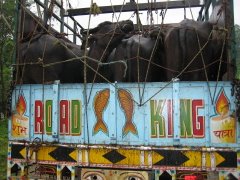
The rickshaws are however not the only thing being overloaded, trucks and carts are loaded until they almost burst, no difference is made as to what kind of force is pulling the load. Mostly the carts are pulled by buffaloes, but it is not uncommon to see the hand pulled carts still.
We are lucky that we have cars, and that we are allowed to drive them ourselves, even privately (many other NGOs have drivers and even though comfortable it limits your freedom I think). However even with a car of your own, there are a lot of things that happens unforeseen. To the left below we were stuck in landslides, for 23 hours, and had to spend most of the night in the car. We are using the time to dry our clothes that were soaked by the same rain causing the landslide. To the right, Jeppe is waiting in line to get diesel. There had been strikes for weeks and all traffic to the capital was cut off, i.e. no fuel came in to the city. We waited for 15 hours...


For those not having cars, or living on the country side where there are no roads good enough for much else than walking, buffaloes are a common way of travel. It is slow, but it will get you where you are going.


The motor driven public transport on the highway, is often overcrowded and slow. Since it is a lot cheaper to travel on the roof, many do so. On the picture below though, the reason for travelling on the roof has more to do with being seen and having a change to chant slogans while travelling. They are Maoist students going to yet another mass meeting... To the right is a over crowded tempo (taxi) going up the mountains to Tansen. Since it's been raining and landslides might happen, o they just slip over the edge, it is probably safest to be hanging out the back. In that way they can always jump off.


Travelling on buses often means waiting for hours, due to landslides, flat tires or whatever. But when it starts moving, you better be quick to get back on board because they are always in a hurry to the next break down, landslide, chakka jam...


Then there are bicycles, also used a lot, and more often than not, by at least two people. Sometimes there are no roads or bridges, and then a bicycle comes in handy - it is much easier to get a bike on the ferry than a motorbike, I know for sure and I have written about it below...

It is very common to see a whole family riding on a bicycle, the women sitting behind, always on the side and often with a baby and big bags. Even the school "bus" are pulled by bikes, and though they look small, they take an impressive amount of kids in
them, hanging all the school bags on the outside.


Between the border to India and the market of Nepalgunj, this is the most common transport, usually carrying at least some 15-20 people...
And, for those who can afford it, the motorbike is the preferred transport!